Categories
STARTERS/SIDES

Melanzane


MELANZANEServes 6

Melanzane, the dish as I got to know it, is actually called Aubergine Parmigiana or Melanzane alla Parmigiana in the big culinary world out there. Whatever it’s called, it is totally delicious, and works on a warm day or a cold winter’s day; it is also vegetarian and the copious amounts of cheese sort out the comforting aspect.
There are questions, though. To salt or not to salt, to peel or not to peel? To use tinned tomatoes or fresh ones?

Salting the aubergine beforehand is simply to remove the bitterness, is the general opinion, and the true belief by the aubergine lovers is that it prevents the aubergine from soaking up too much oil when frying. It may be true, but for me the salt gives it more flavor and makes me feel better about the possible bitterness. As far as frying is concerned, I think it will soak up the oil anyway and a good draining and patting with kitchen paper will do the trick.

Peeling the aubergine skin is simply a personal issue and the skin provides a welcome textural contrast in a dish that can otherwise tend to be mushy. It also prevents the slices from falling apart when fried. When the dish is finally baked and put in front of you, I see no harm in the individual removing the skin without much trouble.

I have nothing against canned tomatoes, but I tend to taste the tin and that is a no-no for me. I prefer using fresh ones even if it is quite cumbersome to peel and seed, and the flavor in the end is the winner.

This Melanzane recipe, nevertheless, is a great way to serve aubergine. By frying and layering it with Parmesan, mozarella and tomatoes and then baking it until golden on top, makes a very satisfying vegetarian dish, and is also great served as a side-dish to roast meat or fish.

3 large aubergine
olive oil
1 onion, finely chopped
1 clove regular garlic, finely sliced
1 teaspoon dried oregano
1 kg/2  lb fresh ripe tomatoes, peeled, seeded and diced
2 large tomatoes, peeled and cut in slices
salt and freshly ground black pepper
wine vinegar
1 cup fresh basil, roughly torn
2-3 cups Parmesan cheese, freshly grated finely
2 cups dried breadcrumbs
a little fresh oregano, leaves chopped
2 cups hard mozzarella, roughly sliced and chopped, or grated
vegetable oil for frying

  • Slice the aubergine in 1 cm/¼ in slices, arrange on a large cooling rack and sprinkle liberally with salt on both sides of each slice. Let it sit for about 30 minutes.
  • Meanwhile, heat some all in a frying pan and lightly fry the onion, garlic and dried oregano until the onion is soft and the garlic golden.
  • Add the chopped tomatoes to the onion mixture, give it a good stir, add salt and pepper, then put a lid on the pan and simmer for 15 minutes.
  • When its reduced and sweet, add a few drops of the wine vinegar.
  • Meanwhile, in a large frying pan pour the oil about 1½ cm/1 in deep and heat to about 170ºC/330ºF.
  • Rinse the aubergine slices very well to get rid of the excess salt, and pat dry.
  • Fry the aubergine slices until lightly golden on both sides and tender. Remove from the oil with a slotted spoon and drain on kitchen paper. You may have to do this in batches.
  • Grease a heat-proof dish (25 x 15cm/9½ x 12 in) or six individual dishes.
  • Pour all the tomato sauce in the dish and spread it evenly, then put a single layer of aubergines on top of that, followed by a generous sprinkle of parmesan cheese.
  • Next comes a layer of sliced tomato, a few bits of torn basil and some salt and then a layer of mozzarella cheese.
  • Repeat these layers until you’ve used up all the ingredients, finishing with a little sauce and the rest of the Parmesan, mixed with the breadcrumbs, a little olive oil, and the chopped fresh oregano.

    If you have any mozzarella left over, mix that in too.

  • Bake the Melanzane in the oven at 190°C/375°F for half an hour until golden, crisp and bubbly.
  • It is best eaten straight away while the mozzarella is still gooey.
 

Categories
MAIN COURSE

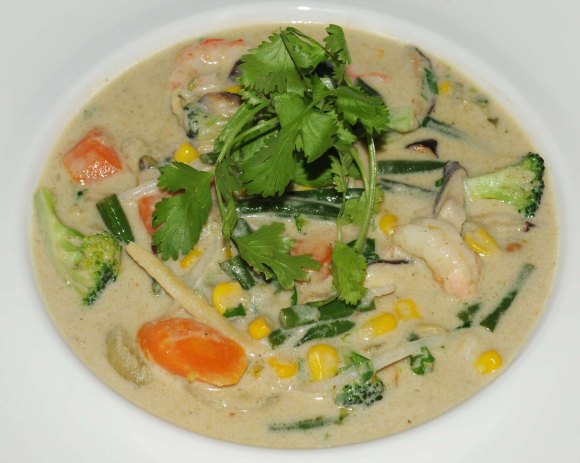
Thai vegetable curry


This is an ideal vegetarian dish to serve at any occasion.  For variation you can add some peeled prawns or chicken pieces, but try it first with only vegetables.  The curry can be quite strong but you can control it by simply put half the amount for the recipe and add gradually until you are satisfied.  Remember, though, that the longer it cooks the stronger it will become.  So it will be wise to go slowly.  You can also use different vegetables such as red pepper, celery, butternut or peas.  It’s your call.

THAI VEGETABLE CURRY

Serves 4

For the soup:
1 tablespoon/15 ml vegetable oil
1 medium onion, finely chopped
1-2 tablespoons/15-30 ml green curry paste (shop bought or make your own — see recipe at the bottom of the page)
1½ cups/375 ml coconut milk
1 cup/250 ml vegetable stock (or water)
1 cup/250 ml green beans, cut in short lengths
2 medium carrots, peeled and cut in pieces
1 cup/250 ml broccoli florets
4 kaffir limes (dry is good)
½ cup/125 ml corn, frozen and defrosted
2 tablespoons/30 ml fish sauce
2 tablespoon/30 ml lime juice
2 teaspoons/10 ml finely grated lime rind
1-2 teaspoons/5-10 ml sugar (optional)
fresh coriander, picked
spring onions, cut in lengths

  • Heat the oil in a large wok or saucepan and add the onions and curry paste.
  • Cook for 3 minutes over medium heat, whilst stirring.
  • Add the coconut and stock (or water) and bring to the boil.  Stir then reduce the heat and cook uncovered for 5 minutes.
  • Add the beans, carrots and broccoli, kaffir limes and corn to the pan and cook uncovered for 5 minutes. 
  • Add the corn, fish sauce, lime juice and rind, and sugar, if using, after tasting.
    Ladle the soup into deep bowls and sprinkle over some coriander and spring onions.

This can also be served with rice, if desired.


Make your own Green curry paste:
1 tablespoon/15 ml coriander seeds
2 teaspoon/10 ml cumin seeds
1 teaspoon/5 ml black peppercorns
2 teaspoons/10 ml dried shrimp paste
8 large fresh green chilies, roughly chopped
1 cup/250 ml shallots, chopped
1 tablespoon/15 ml ginger, chopped
12 small cloves garlic, chopped
1 cup/250 ml fresh coriander leaves, chopped
6 kaffir lime leaves, chopped
3 stems lemon grass (white part only), finely chopped
2 teaspoons/10 ml grated lime rind
2 teaspoons/10 ml salt
2 tablespoons/30 ml vegetables oil
Makes approximately 1 cup.
  • Place the coriander and cumin seeds in a dry frying pan and heat for 2-3 minutes, shaking the pan constantly.
  • Pour the roasted spices and peppercorns in a mortar and pestle or spice grinder and grind until fine.
  • Grill the shrimp paste for 2-3 minutes, then add to the spices.  Add all to a processor.
  • Add the remaining ingredients and process fo 20 seconds until the mixture forms a smooth paste — periodically scrape down the sides of the bowl.
Categories
STARTERS/SIDES

Mixed vegetables with coriander and beetroot gel


Add more or different vegetables and serve as a sidedish with Leg of lamb, deboned, rolled and stuffed with rosemary and garlic.


For the beetroot gel, start the day before.

The beetroot gel:
4 large beetroot, grated, to yield 150 ml/5 fl oz beetroot juice
2 tablespoons castor sugar
2 tablespoons ruby port
½ star anise
1 tablespoon wine vinegar
a pinch mustard seeds
2 leaves gelatine, soaked

  • Make the beetroot jelly in advance. Place all the ingredients in a pan except the gelatine and bring to the boil.
  • Pass through a fine sieve then add the gelatine and stir until dissolved.
  • Pour into a container lined with cling film bout 2 cm deep and leave to set in the refrigerator.

The vegetables:
12 baby carrots, trimmed, leave some of the stalks on
4 baby fennel bulbs, thinly sliced
12 small asparagus, trimmed
½ cauliflower, cut into florets
micro salad leaves

The coriander vinaigrette:
3 tablespoons rice wine vinegar
1 teaspoon sugar
pinch salt
4 tablespoons olive oil
½ cup coriander, picked and finely chopped


  • Blanch the carrots and fennel until just tender for 3-5 minutes, then refresh in ice water and drain.
  • Blanch the asparagus and cauliflower 1-2 minutes, refresh in ice water and drain.
  • For the coriander vinaigrette, whisk together the vinegar sugar and salt until the sugar is dissolved, then add the oil and whisk until the mixture amalgamates.
  • Stir in the coriander and set aside to intensify the flavor of the coriander.
  • To serve, toss the vegetables in the coriander vinaigrette just before serving.
  • Serve immediately.


Categories
STARTERS/SIDES

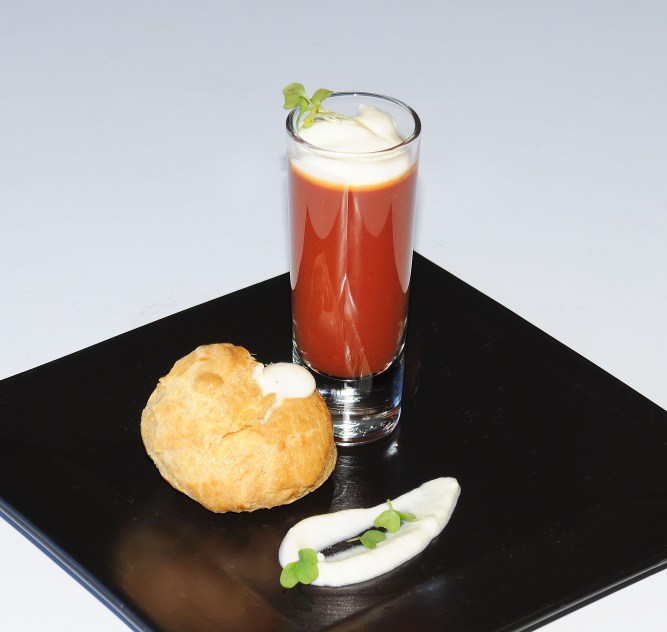
Bloody Mary jellies


Served with savory puffs filled and goat’s cheese cream

This truly delectable and very sophisticated jelly makes a perfect starter. Those who prefer not to use alcohol, use more tomato juice. The savory puffs can be omitted and instead serve with some cheese crackers.

BLOODY MARY JELLYServes 4

The jelly:
1½/ cups/350 ml tomato juice
⅓ cup/80 ml vodka
1 tablespoon/15 ml Worcestershire sauce (for vegetarians use soy sauce)
1 tablespoon/15 ml lemon juice
a few drops Tabasco, or according to taste
½ tablespoon/3 ml horseradish, freshly grated
celery salt to taste
4 teaspoons/20 ml gelatine powder
½ cup/125 ml water

The savory puffs:
½ cup/125 ml milk
115 g/4 oz unsalted butter, cut into tablespoons
large pinch of salt
1 cup/250 ml flour, sifted
4 large eggs
1 cup/250 ml Gruyère cheese, finely grated
freshly ground pepper
freshly grated nutmeg


Use any leftover savory puffs to fill with cream cheese and chives, leftover fish mixed with some mayonnaise, etc..

The filling:
½ cup/125 ml goat’s cheese, crumbled
2 tablespoons/30 ml light cream cheese
2 teaspoons/10 ml olive oil
1 tablespoon/15 ml of water
1 tablespoon/15 ml fresh lemon juice
1 fresh garlic clove, crushed
salt and freshly ground pepper to taste

The garnish:
a few celery leaves
a few sprigs of cress

For the jelly:

  • Mix all of the ingredients together, except the gelatine. Leave to infuse for about 30 minutes, then strain.
  • Heat about ½ cup/125 ml of the liquid and stir in the gelatin powder until dissolved.
  • Add to the rest of the liquid, pour into shot glasses, big enough for one serving each, and place in the refrigerator for at least three hours to set.

For the savory puffs:

  • Preheat the oven to 200°C/400°F and line 2 baking sheets with parchment paper. 
  • In a medium saucepan, bring the water, milk, butter and salt to a boil.
  • Add the flour and stir it with a wooden spoon until a smooth dough forms.
  • Lower the heat and stir until the dough pulls away from the sides, about 2 minutes.
  • Scrape the dough into a bowl and let it cool for 1 minute. Lightly beat the eggs and add to the dough, a little bit at a time, mixing well before adding more egg.
  • Add the cheese, the pepper and the nutmeg.
  • Transfer the dough to a pastry bag fitted with a 1.3 cm/0.5 in round tip and pipe tablespoon-size mounds onto the baking sheets, 5 cm/2 in apart.
  • Sprinkle with cheese and bake for 22 minutes, or until puffed and golden brown.
  • Poke a hole in the base of each puff to let out the steam. Leave to cool until ready to serve

For the savory puff filling:

  • Blend together all the ingredients until creamy, adding an extra tablespoon/15 ml water if necessary.
  • When ready to serve, place a shot glass on each plate and top it with some of the savory puff filling.
  • Pipe the filling into each savory puff and place one on each serving plate with the Bloody Mary jelly.
  • Garnish with a few celery leaves and cress and serve immediately.
Categories
STARTERS/SIDES

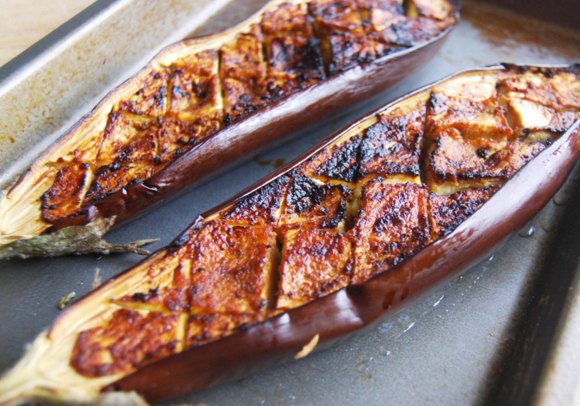
Roast aubergine with an Asian spiced dressing


Aubergine tastes very good with Asian flavorings.  Try my Asian spice dressing for a delightful new slant on aubergine on it’s own.

ROAST AUBERGINE.jpg

4 medium size aubergine
salt
2 to 3 tablespoons/15 to 45 ml extra-virgin olive oil
8 fresh thyme sprigs
lemon wedges for serving


To reduce the aubergine’s ability to absorb oil, salt the cut flesh and letting it sit for 30 minutes or more. Then drain, rinse, pat dry, and proceed with cooking.

Preheat the oven to 200°C/400°F.

  • Wipe the aubergine clean and slice them in half lengthwise.
  • With the tip of a knife, score the flesh deeply in a diamond cross-hatch pattern.
  • Press on the edges of the halves to open the cuts and sprinkle salt over the surface and into the cuts.
  • Set aside, cut side down on a draining rack, for 30 minutes.
  • Line a baking sheet with aluminum foil.
  • Rinse the aubergine to get rid of as much salt as possible, then arrange on the baking sheet cut side up, pour the olive oil over and scatter some thyme leaves over every half.
  • Roast for 1 hour. The aubergine flesh will be a deep brown caramel color.
  • Let cool considerably before handling, at least 20 min.
  • If serving as part of an antipasto platter, serve with a lemon wedge for squeezing.

Asian spice dressing
1 teaspoon sesame oil
2 tablespoons oyster sauce
1 tablespoon balsamic vinegar
2 tablespoons peanut oil
1 tablespoon light soy sauce
1 teaspoon mirin
black pepper to taste

In a small mixing bowl, combine all the ingredients well, cover and refrigerate for 1 – 2 hours to allow the flavors to blend. Shake well before using.


Categories
METHODS SALADS/VINAIGRETTES

Pickled pearl onions


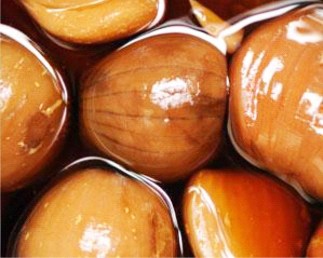
PICKLED PEARL ONIONS


16 white pearl onions, root ends trimmed and scored with an X
½ cup/125 ml water
½ cup/125 ml red wine vinegar
½ cup/125 ml sugar
4 teaspoons/20 ml mustard seeds
½ teaspoon/3 ml coriander seeds
½ teaspoon/3 ml black peppercorns

Bring a medium saucepan of boiling salted water to a boil, add the pearl onions and cook until just tender, about 8 minutes. Drain, rinse in ice water and drain again. Transfer the onions to a glass bowl.

Meanwhile, in another medium saucepan, add the rest of the ingredients and bring to a boil and boil until the sugar is dissolved, about 2 minutes. Pour the liquid over the onions and refrigerate for at least 1 hour and up to 2 days. Drain before serving.


Categories
SOUPS/SAUCES/CONDIMENTS

STARTERS/LIGHT LUNCHES


PASTA SPIRAL


Pasta spiral with a mushroom filling, a light cheese sauce and truffle vinaigrette


DEEPFRIED BRIEDeep-fried brie on toast with figs, crispy glass noodles and a port vinaigrette


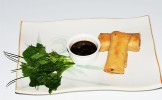
PORK SPRING ROLLSPork spring rolls with Oriental dipping sauce


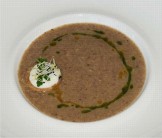
MUSHROOM SOUP

Mixed  mushroom soup with cream, chives and truffle oil vinaigrette


THAI  SPICED CHICKEN SOUP

Thai spiced chicken and coconut soup


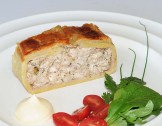
CHICKEN PATEChicken pate in pastry with tomato salad and a creamy salad dressing


TERRINE OF FISH AND CUCUMBER

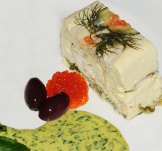
Terrine of fish and cucumber with watercress mayonnaise


SEAFOOD CAKES

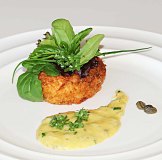
Seafood cakes with a caper sauce and mixed herbs


STUFFED SQUID

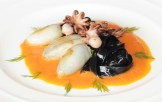
Prawn and mushroom stuffed squid with squid ink pasta and a spicy tomato sauce


PRAWN AND VEGETABLE COCKTAIL

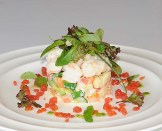
Prawn and vegetable cocktail with a creamy saffron and dill dressing


CHICKEN LIVER PAFEChicken liver parfait with figs, grapes and herb salad and whole-wheat bread


Spicy salmon mousse in filo pastry cups

Spicy salmon mousse in filo pastry cups served with balsamic vinegar dressing


SMOKED TROUT MOUSSE Smoked trout mousse with micro salad leaves and tomato and tarragon


SEAFOOD TEMPURA

Fish and prawn tempura with an Oriental dipping sauce


Categories
SOUPS/SAUCES/CONDIMENTS

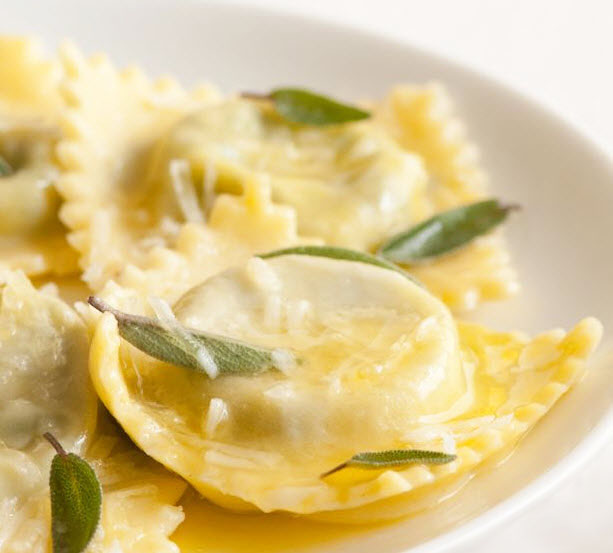
SPINACH AND RICOTTA RAVIOLI


Making ravioli at home using a pasta machine is time consuming but incredibly rewarding, especially when you choose a filling that you enjoy.   These ravioli make a gorgeous vegetarian dish or can be served with Deep fried pork loin sandwich with a spicy sauce.

RAVIOLI


For the filling:
1 tablespoon/15 ml olive oil
2 cloves garlic, finely chopped
225 g/8 oz Swiss chard, finely chopped
250 ml/1 cup ricotta (make your own)
3 tablespoons/45 ml pine nuts, toasted
4 tablespoons/60 ml Parmesan cheese, finely grated
extra Parmesan cheese for serving

For the ravioli:
See recipe for fresh pasta.

  • To make the filling, heat the oil in a saucepan over medium-high heat and add the garlic and the spinach and cook until the stalks of the chard is almost soft.  Remove from the heat and drain.
  • When cool enough squeeze as much of the liquid as possible out of the chard.
  • Add to a food processor with all the other ingredients and pulse until everything is reasonably fine but still with some texture.  Set aside until ready to use.
  • To make the ravioli, bring the pasta dough up to room temperature and then divide it in two.
  • Roll both the pieces of pasta out to the second narrowest setting. Dust the counter with flour and lay out the two long sheets of pasta next to each other.
  • Spoon about 1 tablespoon/15 ml of the filling 50 mm/2 in apart on the  one sheet and repeat until you reach the end of the pasta sheet.
  • Brush all round the fillings with water, then lay the other sheet of pasta on top of the filling portions.
  • You might have to stretch the pasta a little bit to meet the other edge.
  • Press down around the filling to press out any air and then, using the blunt end of a pastry cutter, just big enough to fit over the filling, to gently press down on the pasta to make sure that the filling is “locked” in.  Then, with a slightly bigger cutter, cut the ravioli.

    The ravioli can be cooked straight away or stored on a sheet pan dusted with fine semolina for up to two hours. You can also freeze them at this stage and then cook them from frozen when you are ready.

  • Bring a large pot of salted water to a boil over high heat.
  • Add the ravioli, and cook until for about 4 minutes or until they rise to the surface of the water.
  • Using a slotted spoon, transfer the ravioli to serving bowls.  Sprinkle liberally with Parmesan and serve immediately.
  • This ravioli can be served as a vegetarian dish or with Deep fried pork loin sandwich with a spicy sauce.
Categories
SOUPS/SAUCES/CONDIMENTS

Roast butternut and figs with pine nuts and goat’s cheese


1 small butternut
75ml olive oil
salt and freshly ground black pepper
12 spring onions
1 teaspoon/5 ml chili powder (or more if you want it stronger)
8 fresh, ripe figs, halved
40 ml balsamic vinegar
20g caster sugar
2 tablespoons/30 ml pine nuts, toasted
½ cup/125 ml soft goat’s cheese, crumbled

Heat the oven to 220°C/425°F. Peel the butternut , cut in half lengthways, then cut into smaller wedges and pack loosely in a baking tray. Pour three tablespoons/45 ml of the olive oil over and season well with the salt and freshly ground black pepper. Roast for 25 minutes until soft, then remove from the oven and set aside. Heat the rest of the olive oil in a frying and add the spring onions. Fry until tender and sprinkle over the chili powder. Remove from the pan and set aside. Then add the figs cut side down to the same pan and fry until lightly caramelized.

Meanwhile, make the dressing. Put the balsamic vinegar and sugar in a small saucepan, bring to a boil, then reduce the heat and simmer for two to four minutes, until it thickens but is still runny. Remove from the heat.

Arrange the butternut on a serving plate and add the figs and spring onions. Sprinkle over the pine nuts and scatter the cheese crumbs all round. This dish can be served hot or at room temperature.

Categories
STARTERS/SIDES

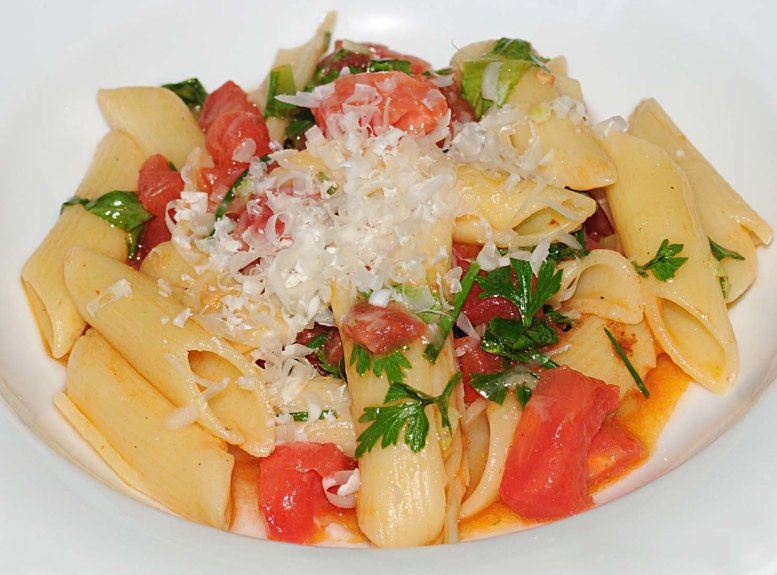
Pasta with a fresh tomato and brie sauce


This is a delightfully light and fresh tasting starter or light summer lunch. Served with some fresh crusty bread and a crispy white wine, guarantees total satisfaction.

PASTA WITH TOMATO AND BRIE SAUCEServes 4

olive oil
4 shallots, finely sliced
3 garlic cloves, finely chopped
8 rashers of bacon, finely chopped (omit if for vegetarians)
375 g penne pasta
250 g/8.8 oz good quality brie, roughly chopped
8 tomatoes, skinned and roughly chopped
salt and fresh ground pepper
2 tablespoons fresh parsley, finely chopped
2 cups Parmesan cheese
1 cup fresh basil, finely sliced


For every 100 g/3.5 oz of pasta, you’ll need 5 cups water and 2 teaspoons salt in a large saucepan. It is important to use lots of water when cooking pasta to enable the pasta to move around while cooking. Bring the water to the boil and add salt before you add the pasta. The best way to judge whether the pasta is cooked, is to taste it.

  • Heat 2 tablespoons olive oil in a frying pan and fry the shallots, garlic and bacon for about 4 minutes, until lightly caramelized. Remove from the heat.
  • Meanwhile, cook the pasta until tender but still have a bite to it. Drain but reserve one cup of the cooking liquid.
  • Place the saucepan with the pasta back onto low heat and mix in 2 tablespoons olive oil.
  • Reheat the pan with the fried onion mix and deglaze with the reserved liquid.
  • Add this mixture to the pasta, stir in the brie and let it melt slightly, then add the tomatoes, salt and pepper to taste, parsley and half of the Parmesan cheese.
  • Let simmer for about 2 minutes, then remove from the heat.
  • Dish up immediately with the basil and the rest of the Parmesan sprinkled over.