Categories
STARTERS/SIDES

Parmesan crisps


Preheat the oven to 170ºC/325º F.

Prepare a baking pan lined with a nonstick baking  sheet.
Finely grate 250 ml/1 cup moist Parmesan cheese  and fill a 6 cm/2½ in ring mold (placed in one corner of the baking sheet), with 15 ml/1 tablespoon of the cheese.  Use your finger to spread the cheese into an even layer. Repeat to make 8 rounds, leaving at least 2.5 cm/1 inch between them.

Bake for 8 to 10 minutes, or until the crisps are a rich golden brown. Remove the pan from the oven and let cool for about 30 seconds for the cheese to firm up.  Carefully remove the rounds with a spatula to a cooling rack.  You can also drape each one over the bottom of a glass to form a basket to fill later on, or roll it around a small container to form a cylinder. Continue to bake the rest.

Categories
STARTERS/SIDES

Spanakopita


Spanakopita (Greek spinach pie) is one of the most popular Greek dishes that is known and loved around the world. This is a very versatile and delicious Greek dish equally suitable for all occasions and is very popular on the mezze menu (a small selection of small dishes, often served at the beginning of multi-course meals in Greece), or on the antipasto platter typically served in Italy.

The spanakopita is typically rolled into individual triangular pies. The main ingredient is of course spinach but a lot of recipes also use feta cheese which is a favourite ingredient in all types of Greek recipes.

Spanakopita

The filling:
45 ml/3 tablespoons pine nuts, toasted
60 ml/¼ cup  olive oil
1 onion, finely chopped
1 bunch spring onions, finely chopped
2 garlic cloves, crushed
1.2 kg/2.6 lbs young Swiss chard, stripped leaves only (discard stalks)
30 ml/ 2 tablespoons chopped dill
125 g/4.4 oz feta cheese, crumbled
50 g/1.7 oz full-fat ricotta cheese
45 ml/3 tablespoons grated parmesan cheese
4 eggs, lightly beaten
3 ml/½ teaspoon grated nutmeg
salt and pepper

12 sheets filo pastry
120 g/4.2 oz butter, melted

  • Cook the pine nuts in a dry, medium sauté pan, over low heat, for about 8 minutes, or until golden brown.  Remove and set aside.
  • Heat the oil in the pan over medium-low heat, then add the onion, spring onions and garlic and cook for 1 minute until softened.  Remove from the pan and set aside.
  • Fill a saucepan half full with water and bring to the boil.  Add some salt and add the Swiss chard.  Cook the chard for about 2 minutes then drain and drop in a bowl of ice water.  (You may have to do this in batches).
  • Drain again, squeezing out as much water as possible, then spread out on a clean tea towel.
  • Add the Swiss chard to a food processor with all the other ingredients except the filo pastry and melted butter.
  • Pulse until everything is reasonably fine but still with some texture.  Set aside until ready to use.
  • Preheat the oven to 180°C/356°F.
  • Unroll the filo dough on a flat surface and using a sharp knife, cut the filo into 7.5 x 28 cm/3 x 11 in strips
  • Take one strip and cover the rest again with a damp towel. With a pastry brush, brush a strip of filo with melted butter.
  • Place a small spoonful of Swiss chard filling 2.5 cm/1 in from the end of the pastry.
  • Fold the end over the filling to form a triangle, then continue to fold up the strip in triangles.
  • Continue with remaining strips of dough, placing filled triangles on the baking sheet and keeping them covered with a towel until all are ready to go into the oven.
  • Brush the triangles lightly with the butter, then bake for 20 to 25 minutes, or until golden and crisp. Serve hot.

These may be frozen before baking, putting waxed paper between layers of triangles to keep them from sticking. It is not necessary to defrost the triangles for baking, just bake them for an extra 10 minutes.


Categories
STARTERS/SIDES

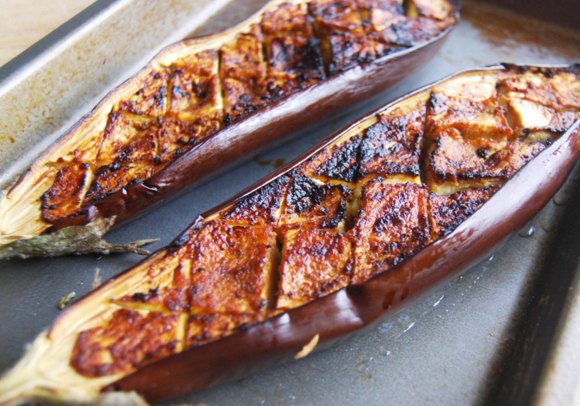
Roast aubergine with an Asian spiced dressing


Aubergine tastes very good with Asian flavorings.  Try my Asian spice dressing for a delightful new slant on aubergine on it’s own.

ROAST AUBERGINE.jpg

4 medium size aubergine
salt
2 to 3 tablespoons/15 to 45 ml extra-virgin olive oil
8 fresh thyme sprigs
lemon wedges for serving


To reduce the aubergine’s ability to absorb oil, salt the cut flesh and letting it sit for 30 minutes or more. Then drain, rinse, pat dry, and proceed with cooking.

Preheat the oven to 200°C/400°F.

  • Wipe the aubergine clean and slice them in half lengthwise.
  • With the tip of a knife, score the flesh deeply in a diamond cross-hatch pattern.
  • Press on the edges of the halves to open the cuts and sprinkle salt over the surface and into the cuts.
  • Set aside, cut side down on a draining rack, for 30 minutes.
  • Line a baking sheet with aluminum foil.
  • Rinse the aubergine to get rid of as much salt as possible, then arrange on the baking sheet cut side up, pour the olive oil over and scatter some thyme leaves over every half.
  • Roast for 1 hour. The aubergine flesh will be a deep brown caramel color.
  • Let cool considerably before handling, at least 20 min.
  • If serving as part of an antipasto platter, serve with a lemon wedge for squeezing.

Asian spice dressing
1 teaspoon sesame oil
2 tablespoons oyster sauce
1 tablespoon balsamic vinegar
2 tablespoons peanut oil
1 tablespoon light soy sauce
1 teaspoon mirin
black pepper to taste

In a small mixing bowl, combine all the ingredients well, cover and refrigerate for 1 – 2 hours to allow the flavors to blend. Shake well before using.


Categories
METHODS STARTERS/SIDES

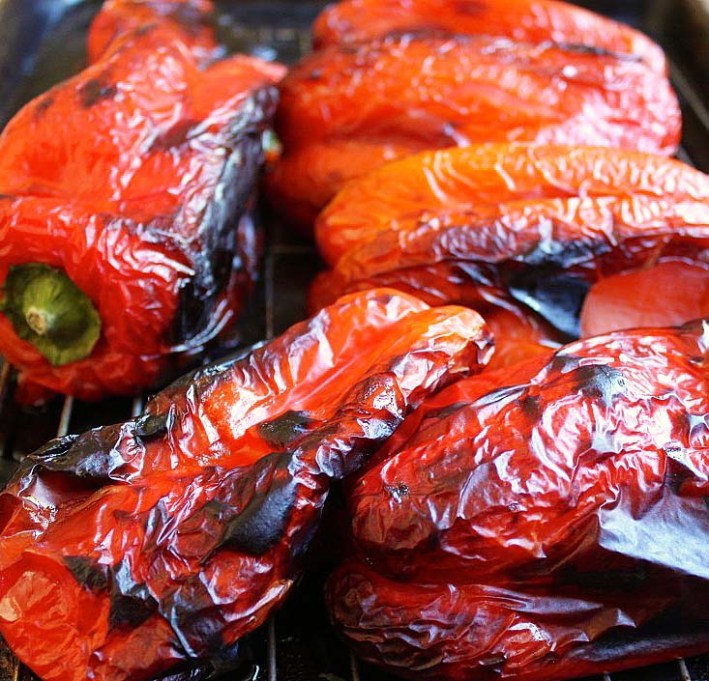
Roasting and preparing red peppers for antipasto


ROASTING OF RED PEPPERS FOR ANTIPASTO

To roast peppers in the oven (this is my preferred method of roasting peppers), line a baking sheet with aluminum foil and have one or two strong plastic bags ready.

Preheat the oven to 200°C/400°F.  Arrange the peppers on the baking sheet on their sides and roast for 20 minutes, then turn them over and bake for another 20 minutes or until the skins are charred and soft, and the peppers slightly collapsed.  Remove the baking sheet from the oven and with tongs load the peppers into the plastic bags — not more than 4 in a bag — and tie a knot to make it airtight.  This will steam the peppers and will make the peeling of the skin much easier.  Leave to steam for about 15 minutes.

Slice the peppers vertically from top to bottom and open them up. Remove the stems from the top of the peppers and scrape the seeds and ribs from the inside.  Wipe the rest of the seeds off with paper towel. Flip the peppers over to reveal the skin side, then pull off the charred skin. If you want a more charred flavor, you can leave a few small blackened bits on the skin.


Do not seed and skin the pepper under running water because the pepper will loose some of its charred flavor in the process.

Once you’ve peeled and seeded your peppers, you’ll end up with soft, sweet, tasty pepper flesh.

To marinate the roasted peppers for use in Antipasto, you will need:
3 red peppers, roasted, peeled and deseeded
1 or 2 cloves fresh garlic, minced
2 tablespoons/30 ml good quality extra virgin olive oil
coarse sea salt
one or two sprinkles of dried oregano (optional)

  • After you have peeled the peppers, tear the peppers into strips, and place in a bowl.
  • Add the garlic, extra virgin olive oil, salt and oregano (if using) and mix well.
  • Make this a few hours before you serve it so the flavors have time to develop.
  • Use as part of the selection on an antipasto platter, as a side dish, on crostini, in a sandwich or however you choose.
  • Keep any leftover pepper in the fridge for up to 3 or 4 days.
Categories
METHODS SALADS/VINAIGRETTES

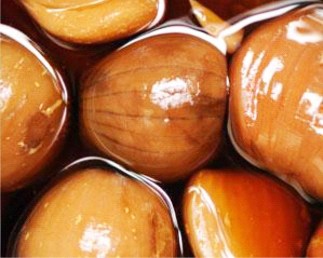
Pickled pearl onions


PICKLED PEARL ONIONS


16 white pearl onions, root ends trimmed and scored with an X
½ cup/125 ml water
½ cup/125 ml red wine vinegar
½ cup/125 ml sugar
4 teaspoons/20 ml mustard seeds
½ teaspoon/3 ml coriander seeds
½ teaspoon/3 ml black peppercorns

Bring a medium saucepan of boiling salted water to a boil, add the pearl onions and cook until just tender, about 8 minutes. Drain, rinse in ice water and drain again. Transfer the onions to a glass bowl.

Meanwhile, in another medium saucepan, add the rest of the ingredients and bring to a boil and boil until the sugar is dissolved, about 2 minutes. Pour the liquid over the onions and refrigerate for at least 1 hour and up to 2 days. Drain before serving.


Categories
METHODS STARTERS/SIDES

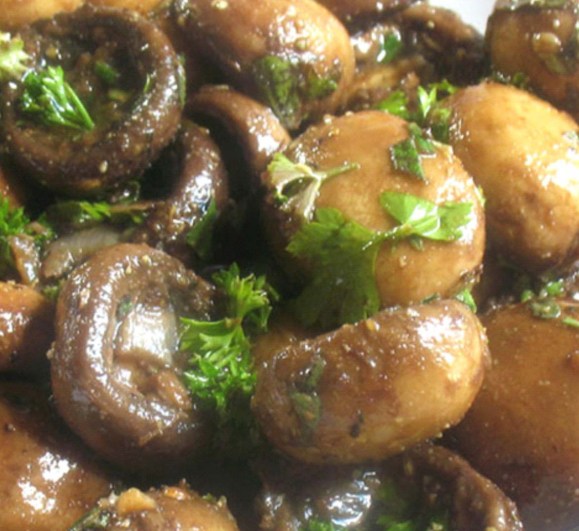
Marinated mushrooms Italian style


MARINATED MUSHROOMS.jpg

⅔ cup/156 ml extra virgin olive oil
½ cup/125 ml water
1 bay leaf
juice of 2 lemons or 3 tablespoons/45 ml red wine vinegar
3 garlic cloves, crushed
1 large shallot, finely chopped
6 whole peppercorns
good pinch sea salt
2 teaspoons/10 ml each basil and oregano, chopped
pinch of rosemary, finely chopped
pinch of red hot pepper flakes
450 g/1 lb small mushrooms, cleaned

  • Mix together all the ingredients except the mushrooms in a large stainless steel saucepan.
  • Bring to a boil over medium-high heat, then reduce the heat, cover the pan and simmer for 15 minutes.
  • Strain and return to a simmer over low heat.
  • Drop the mushrooms into the simmering marinade, turning them over from time to time, for about 2-4 minutes (depending on mushroom size). If the mushrooms are small enough, remove from the heat after just 1 minute.
  • Remove the pan from the heat and allow to stand, uncovered, while the mushrooms cool in the marinade.
  • After the mushrooms have marinated for a day or two, and the marinade has mellowed, taste and add fresh herbs for an extra layer of flavor if you wish.
  • Serve at room temperature or refrigerate in a plastic container. Refrigerator for up to 3 days.


Categories
MAIN COURSE

Salmon and prawns poached in a seafood broth


The stock:
1/3 cup/80 ml olive oil
2 tablespoons/30 ml lightly smoked bacon, finely chopped
1 onion, roughly chopped
1 leek, roughly chopped
2 celery stalks, thinly sliced
2 tablespoons/30 ml fresh fennel, finely sliced or 1 tablespoon/15 ml fennel seeds
6 cloves garlic, chopped
¼ cup/60 ml white wine
1 tablespoon/15 ml orange zest
8 ripe tomatoes, chopped
1 tablespoon/15 ml tomato paste
1 medium-hot red chili, seeded and chopped


If you want the broth spicier, add powdered chilli right at the end.


1 teaspoon/5 ml saffron strands, soaked in cold water
1 sprig of thyme
4 cups/1 liter fish stock, heated
15 g/½ oz butter

2 tablespoons/30 ml olive oil
2 cloves garlic, finely chopped
reserved shells of prawns
1 teaspoon/5 ml Pernod
salt and freshly ground black pepper

The seafood:
4 tablespoons/60 ml olive oil
4 x 250 g/4 x 8.8 oz firm white fish fillets, on the bone, skin removed
8 large prawns, shelled and de-veined, reserve shells for stock
3 ripe tomatoes, skinned, seeded and diced
1 tablespoon/15 ml cornstarch, dissolved in 2 tablespoons/15 ml cold water (optional)

The aïoli (garlic mayonnaise):
4 egg yolks (See the Glossary on the use of excess egg whites.)
½ teaspoon/3 ml salt
3 cloves garlic (more if you wish)
2 teaspoons/10 ml lemon juice
2 cup/500 ml groundnut oil

The garnish:
2 tablespoons/30 ml fresh coriander, finely chopped
2 tablespoons/30 ml dill, finely chopped
crusty white bread, thinly sliced and lightly toasted

  • In a large saucepan, heat the oil and sauté the onions, bacon, leeks, celery, fresh fennel or fennel seeds and garlic until soft. Add the wine and boil until all the alcohol has evaporated, then add the orange zest, tomatoes, tomato paste, chili, saffron and soaking liquid, thyme and fish stock and bring to the boil. Boil for 15 minutes, then remove from the heat and set aside.
  • In a separate frying pan, heat the butter and olive oil and sauté the garlic, shells of the prawns until golden and aromatic. Deglaze the pan with the Pernod, then add the contents of the pan to the prepared stock and set aside until ready to poach the fish and prawns.
  • Strain the prepared stock thoroughly into a saucepan big enough for the fish, prawns and broth, and and discard the solids. Bring to a gentle simmer, then add the diced tomatoes and, if desired, thicken slightly with the cornstarch.

Use the cornstarch slush only if you find the stock too watery. But only add a little at a time to make sure that the stock does not end up too thick.


  • Let it simmer for a few minutes longer until slightly thickened, then add the fish to the simmering broth.
  • Poach for about 4 minutes, then carefully turn the fish over, add the prawns and poach 2 minutes more or until you are satisfied that the prawns are cooked. The fish should be opaque and cooked through but flake easily. Check the seasoning, then turn off the heat and prepare to serve.
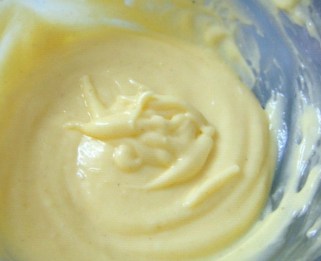
  • For the aïoli, blend together the egg yolks, salt, garlic and lemon juice in a food processor. Add the oil in a thin steady stream while the machine keeps running. Continue until all the oil is incorporated. Check the seasoning.

This recipe contains raw eggs and is not suitable for pregnant women, the elderly or very young children. If you feel uneasy using raw egg yolks, see the recipe for Mayonnaise made with cooked egg.


To serve:
Lift the fish from the broth and place into deep pre-heated bowls. Carefully pour the broth around the fish, add two prawns to each dish, and sprinkle the fresh coriander and dill over. Serve the crusty bread and small bowls filled with the aïoli on the side.

Categories
METHODS SALADS/VINAIGRETTES

Mayonnaise made with cooked egg


MAYONNAISE

2 egg yolks
1 teaspoons/10 ml (or more if you prefer) lemon juice
2 tablespoons/30 ml water
½ teaspoon/3 ml (or more if you prefer) mustard
salt to taste
white pepper finely ground
½ cup/125 ml peanut oil (or other flavorless oil)
½ cup/125 ml olive oil

  • Have ready a big bowl with icewater.
  • In a small saucepan, heat the egg yolks, water and lemon juice, stirring continuously. As soon as it starts to thicken, take off the heat.
  • Place the saucepan in the cold water to avoid stop further cooking of the mixture. Whisk the mixture well and keep aside to cool, then add the mustard powder, salt and pepper and beat with an electric beater.
  • Slowly drizzle first the peanut oil while continuing to beating then the olive oil. (Drizzling the oil slowly is of great importance or else the mixture will curdle.)
  • Beat the mixture till you finish the last drop of oil. Taste the mayonnaise to see if it is balanced. Personally, I prefer to have a sweeter mayonnaise. (You can add more salt or mustard or lemon juice to suit your taste.)
  • Store covered in the refrigerator.
Categories
GLOSSARY / METHODS

Black olive tapenade


BLACK OLIVES.jpg

175 g/1 cup Kalamata olives, pitted
4 anchovy fillets, drained and coarsely chopped
15 ml/1 tablespoon capers, drained
1 garlic clove, finely chopped
60 ml/¼ cup extra virgin olive oil

In the bowl of a food processor place the olives, anchovy fillets, capers and garlic and process until finely chopped.


This can also be done in a mortal and pestle

With the motor running, add the oil in a thin, steady stream until a smooth paste has formed.
Seal in an airtight container and pour over extra oil to cover the tapenade surface to prevent oxidation.


Categories
FRITTERS/BREADS

FOCACCIA


400 ml/1¾ cups warm water
7 g/2¼ teaspoon/1 packet active dry yeast
15 ml/1 tablespoon sugar
700 g/5 cups all-purpose flour, plus additional for kneading
10 ml/2 teaspoons garlic powder (optional)
10 ml/2 teaspoons kosher salt, plus
125 ml/½ cup extra-virgin olive oil, divided
coarse sea salt, for sprinkling

  • Combine the warm water, yeast and sugar in a small bowl and leave in a warm place until the yeast is foaming, at least 15 minutes.
  • In the bowl of an electric mixer fitted with a dough hook, combine the flour, garlic powder (if using) and salt, then pour in the olive oil and the yeast mixture and mix on low speed.
  • Once the dough has come together, continue to knead for 10 minutes on a medium speed until it becomes smooth and soft. Remove the dough and shape into a ball.
  • Lightly oil the bowl and return the dough to the bowl.  Cover with plastic wrap and let stand for 1 hour.
  • Sprinkle the base of 2 18 x 28 cm/7 x 11 in shallow baking trays with polenta or semolina.
  • Knead the dough again for about 3 minutes then divide into two portions.  Flatten each portion onto a baking tray, pulling and stretching to fit into the trays.
  • Let rest for 10 minutes, then make dents in the dough with your fingertips, drizzle some olive oil over and sprinkle rough sea salt over.
  • Leave to prove for another hour.
  • Meanwhile preheat the oven to 220°C/425°F.  Bake for 20-25 minutes or until the top of the focaccia is golden brown.
  • Remove from the oven and let it rest before serving it warm.

Variations: Sprinkle with rosemary or Parmesan cheese, olives or sundried tomatoes be fore putting in the oven.